Summer visits have surged in popularity, and for good reason. Yet they come with trade-offs that CollegeCove is here to help you weigh. Whether your dream school sits near California beaches or Colorado ski resorts, understanding the summer-visit reality ensures you don't base your biggest decision on half the picture.
The Pros of Visiting in Summer
The biggest pro is convenience. You don't have to pull yourself out of class, explain absences to teachers, or juggle AP exams. Families can travel more easily during summer break, turning visits into mini-vacations. Many campuses offer special summer tour slots with smaller groups, so you might get more one-on-one time with admissions staff. Airfare and hotel rates can sometimes be lower mid-week in June or July, stretching your visit budget further.
You can also explore the surrounding area more thoroughly. Want to check surf conditions at the nearest beach or drive up to the closest ski resort for a quick hike? Summer weather often cooperates, giving you time to test the lifestyle factors CollegeCove emphasizes — proximity to ocean waves or mountain trails — without the pressure of a school bell.
The Cons: You Won't See Real Life
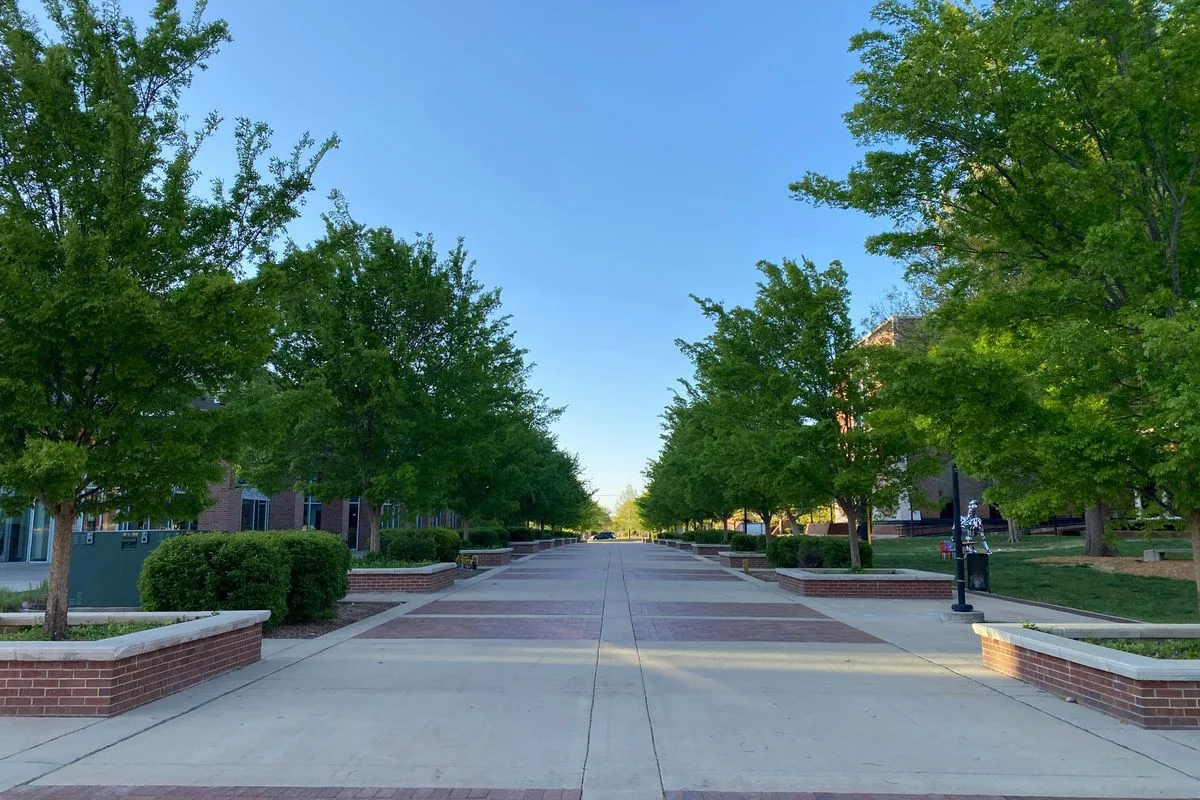
Here's the reality check: the biggest con is you won't see “real life.” When classes aren't in session, the campus energy changes dramatically. Lecture halls and labs sit empty, dining halls run limited hours, and dorms may be closed or filled with summer-program kids who aren't the typical undergrads. Club tables vanish, intramural fields go quiet, and the social buzz that defines college life is simply gone. You miss the chance to eavesdrop on students debating a lecture or rushing to club meetings — the very things that help you picture yourself there.
Another downside: some schools scale back summer programming. Class visits might be unavailable, and faculty are often off-campus. The “vibe” you feel could be misleadingly sleepy, making a lively campus seem dull or an already quiet one feel dead. That's why many admissions officers recommend summer visits as a first look, not the deciding one.
Weather Still Rules, Even in Summer
A scorching 95-degree day with no shade or a sudden thunderstorm can sour your impression just as badly as winter rain. A good weather day — warm sun, light breeze — lets you properly judge outdoor spaces, walkability to the beach, or how the campus feels when students actually use it. Always check the forecast and prioritize a sunny slot.
When Summer Visits Actually Make Sense
Use a summer visit as a scouting trip for your shortlist. Note the layout, facilities, and town amenities. Then plan a follow-up visit during the school year for your top choices. Combine both: a quick summer drive-by to eliminate obvious mismatches, followed by in-session tours for the finalists. Many students do exactly that and end up with clearer data for their CollegeCove-style decision — academics plus the lifestyle that fits them.
After any summer visit, document everything immediately. Write down what felt right and what felt off. Compare notes with a fall or spring visit later. The contrast often reveals the true personality of the school.
Summer college visits aren't perfect, but they're practical. Weigh the pros of flexibility against the cons of missing student life, insist on a sunny day, and treat them as one valuable piece of your larger college puzzle. The campus that feels like home in July — and even better when classes are buzzing — is the one worth choosing.
Building your visit list?
Filter schools by beach access, ski proximity, weather, and more — so every campus you visit is already worth the trip.
Search Schools